

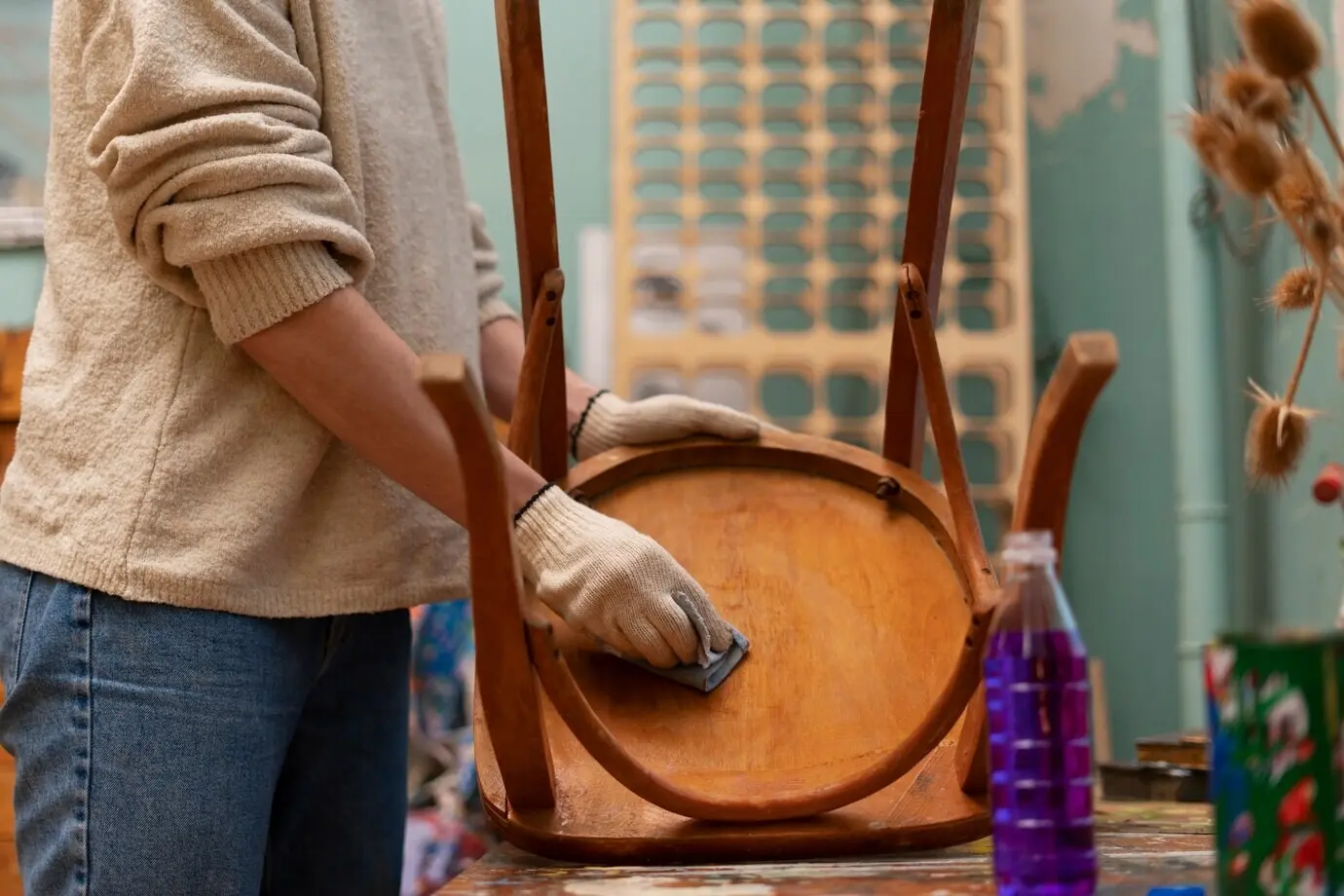
Gentle Care for Wood with Low-VOC Oils and Natural Waxes

Today we dive into low-VOC oils and natural waxes as eco-safe maintenance for wood furniture, showing how to protect surfaces, keep indoor air fresh, and celebrate authentic grain. Expect practical steps, honest stories, and science-backed tips you can try this weekend. Share questions, compare finishes, and subscribe to follow our evolving experiments, failures, and wins in creating durable, beautiful, breathable wooden pieces at home.

Why Breathable Finishes Matter

Understanding VOCs Indoors

Volatile organic compounds can linger long after a project looks dry, subtly affecting comfort and well-being, especially in winter when windows stay closed. Low-VOC oils and waxes reduce that lingering haze, often without sacrificing durability. Learn to compare product data sheets, recognize marketing claims, and trust your nose during application and curing. A quieter scent footprint can transform a room from tolerable to welcoming within a single weekend.

Breathability and Wood Longevity

Rigid, impermeable films can trap moisture, inviting blushing or lifting when humidity spikes. Penetrating oils and waxes create micro-thin, flexible protection that allows wood to release and accept moisture gracefully. This approach respects the material’s structure while preserving feel underhand. Over time, repairs become easier, too: you refresh rather than strip, focusing on small touch-ups that keep patina developing naturally without major downtime or expensive, disruptive sanding campaigns.

A Small Apartment Story

When I refinished a thrifted oak table in a tiny studio, traditional varnish overwhelmed the space within minutes. Switching to polymerized linseed oil followed by a light beeswax and carnauba polish changed everything. The scent was gentle, windows stayed open briefly, and the surface cured beautifully. Friends noticed the warm glow rather than the smell, and the table stopped sticking to placemats during humid evenings. Comfort returned without sacrificing daily practicality.

Choosing Low-VOC Oils

Not all oils behave the same. Tung oil cures tough and water-resistant, while polymerized linseed speeds drying and reduces tack. Walnut and hemp offer beautiful tonality and easy touch-ups. Compare ingredients, solids content, and certifications, then test on hidden areas. Think about food contact, allergy considerations, and the wood species beneath. Write impressions in a finishing notebook, and share swatches with our community to crowdsource honest, real-world experiences beyond labels.

Tung versus Linseed: Practical Differences

Pure tung oil builds a resilient, slightly amber film that resists water impressively, though cure time can be slow in cool rooms. Polymerized linseed dries faster with fewer solvents and can feel silkier after buffing. Both benefit from thin coats, patient wiping, and warm airflow. On dense woods like maple, penetration is subtle; on open-pored oak, depth is dramatic. Keep notes on sheen, smell, and dust control to refine your process.

Reading Safety Data and Certifications

Seek clear Safety Data Sheets and trustworthy certifications, looking for genuinely low-VOC claims rather than vague marketing. Look for CARB compliance, EU limits, or independent testing where possible. Favor transparent ingredient lists and companies that explain drying oils, driers, and any solvent choice plainly. When data is missing, ask manufacturers questions directly. Your inquiries also help the broader community, so consider posting findings, screenshots, and honest impressions to guide fellow finishers responsibly.

Natural Waxes that Protect and Shine

Beeswax offers warmth and easy repair, while carnauba raises hardness and scratch resistance. Candelilla can refine glide for a smoother feel. Choose solvent-free pastes or gentle citrus carriers when possible, keeping ventilation comfortable. Waxes excel as topcoats over oil, adding velvety depth and water beading. Applied sparingly, they buff to a soft glow that invites touch. Done right, maintenance becomes a pleasant ritual rather than a dreaded seasonal chore.
Beeswax brings cozy color and forgiving application; smudges buff out easily. Carnauba contributes durability, raising the melting point and resisting scuffs on tabletops and chair arms. Blends often capture the best of both, balancing feel and protection. Test thin applications, wait a few minutes, then buff vigorously. Track gloss levels, and note whether napkins snag or glide during dinner. When friends comment on the glow, you’ll know the proportions are working.
Citrus-derived d-limonene smells pleasant to many and can soften wax for smoother spreading, though sensitivity varies. Water-in-emulsion pastes reduce fumes further but change open time and buffing feel. Solvent-free bars require elbow grease and warmth from friction. Each route affects drying, odor, and final sheen. Try small panels, label them clearly, and invite family to choose favorites blind. Engagement makes maintenance enjoyable and reveals how different noses perceive residual fragrance.
Too much wax clouds clarity and collects dust. Use the thinnest workable coat, buff until surfaces feel dry, and schedule light refreshes rather than heavy rewaxes. If build-up happens, remove gently with a compatible cleaner or a small amount of oil, then rebuff. Set reminders for seasonal touch-ups. Encourage readers to share before-and-after shots of overly waxed pieces; crowd wisdom helps demystify the line between luxurious glow and gummy haze.

Application Techniques for Lasting Results

Beautiful finishes start with preparation. Sand progressively, raise grain where needed, and vacuum thoroughly. Apply oil in ultra-thin coats, wiping off excess within minutes to avoid tackiness. Let layers cure before adding wax, then buff to an even sheen. Maintain gentle airflow without dust storms. Record temperature, humidity, and timing to learn your room’s personality. Post your process photos and timing notes, inviting others to compare conditions and share small improvements.

Repair, Refresh, and Routine Care

Real homes host keys, coffee mugs, pets, and laughter. Low-VOC oils and waxes excel at spot fixes, blending small scars into stories without a full refinish. Control humidity, use coasters, and dust with soft cloths. When dullness arrives, a light oil wipe or quick wax boosts clarity. Keep a small kit ready. Invite readers to submit repair dilemmas, and we will troubleshoot together, sharing honest outcomes to build confidence and momentum.

Water Rings and White Blush Rescue

Moisture intrusions sometimes appear as pale halos. Start gently with a warm, dry iron over a thin cotton cloth to coax moisture out, then wipe and rest. If needed, apply a tiny amount of oil, wait, and buff. Avoid panic sanding. Patience usually rewards you with a softened mark that blends into surrounding sheen. Share your before-and-after snapshots; our collective gallery helps demystify these surprises and prevents overreactions that cause bigger problems.

Scratch Blending without Full Refinishing

For shallow scratches, a careful oil rub followed by selective wax often restores continuity. Work along the grain using minimal product, then feather buff outward. For deeper grooves, consider wax sticks in matching tones, setting them with gentle heat. Document your steps, because the right sequence matters. Posting your process invites targeted advice, steering you toward subtler solutions rather than aggressive sanding that risks flattening edges or exposing lighter raw wood unexpectedly.

A Seasonal Maintenance Calendar

Mark light oil refreshes for spring and a wax tune-up before holiday gatherings. Plan deeper cleaning after pollen season or beach trips, when grit hides in corners. Track humidity trends and adjust expectations. These micro-routines keep furniture photo-ready without marathon weekends. We’ll publish reminders and checklists you can print or save. Comment with climate quirks from your region, because coastal fog and high-altitude dryness demand different rhythms for lasting, calm reliability.

Health, Safety, and Sustainability

Eco-safe practices extend beyond ingredients. Dispose of oily rags in water-filled, sealed containers to prevent spontaneous ignition. Respect allergies, especially nut-based oils, and choose alternatives where needed. Support ethical beekeeping and responsible carnauba harvesting. Seek minimal packaging and refill programs. Pair finishes with FSC-certified wood when possible. Invite questions about specific products, and we’ll investigate sourcing together. Safer habits protect homes, craftspeople, and the forests that gift us these resilient, expressive materials.
Zefukefelatuzafa
Privacy Overview

This website uses cookies so that we can provide you with the best user experience possible. Cookie information is stored in your browser and performs functions such as recognising you when you return to our website and helping our team to understand which sections of the website you find most interesting and useful.