
Built to Last: Smarter Furniture Choices, Care, and Circular Futures
Choosing Materials That Endure
Hardwoods versus softwoods
Metal frames and their coatings
Upholstery fabrics and cushioning
Designing for Repair and Modularity

Fasteners and joinery that welcome repair
Bolts, threaded inserts, and classic joinery like mortise-and-tenon signal longevity because they allow tightening instead of tearing. Avoid designs dependent on hidden staples or brittle adhesives that resist disassembly. Knock-down fittings, cam locks with metal sleeves, and dowels backed by glue keep connections true yet serviceable. Over time, screws can be replaced or upsized; glue-only edges rarely offer second chances. Choose construction that respects future you, the one with an Allen key, patience, and a small box of thoughtfully labeled spares.
Access, documentation, and labeling
Bolts, threaded inserts, and classic joinery like mortise-and-tenon signal longevity because they allow tightening instead of tearing. Avoid designs dependent on hidden staples or brittle adhesives that resist disassembly. Knock-down fittings, cam locks with metal sleeves, and dowels backed by glue keep connections true yet serviceable. Over time, screws can be replaced or upsized; glue-only edges rarely offer second chances. Choose construction that respects future you, the one with an Allen key, patience, and a small box of thoughtfully labeled spares.
Sourcing spares and community repair
Bolts, threaded inserts, and classic joinery like mortise-and-tenon signal longevity because they allow tightening instead of tearing. Avoid designs dependent on hidden staples or brittle adhesives that resist disassembly. Knock-down fittings, cam locks with metal sleeves, and dowels backed by glue keep connections true yet serviceable. Over time, screws can be replaced or upsized; glue-only edges rarely offer second chances. Choose construction that respects future you, the one with an Allen key, patience, and a small box of thoughtfully labeled spares.

Finishes, touch-ups, and surface protection
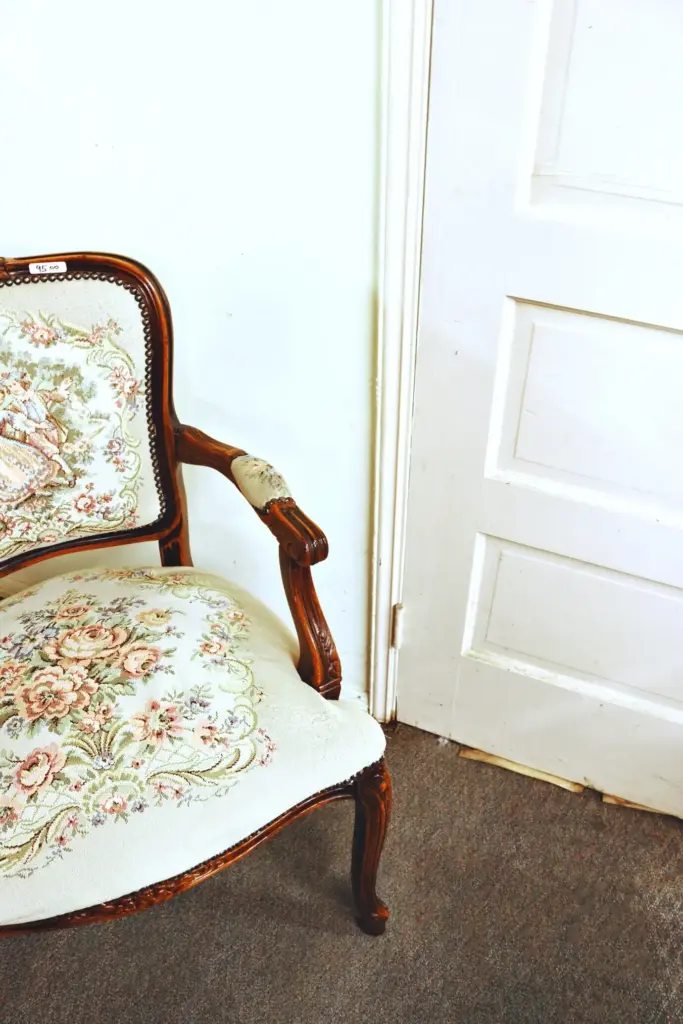
Upholstery care and refresh cycles
Evaluating Durability Before You Buy

End-of-Life Strategies and Circular Choices
From Homes That Chose to Repair
Grandmother’s oak table, refreshed
After a chaotic move, the table looked tired and pitted. Rather than replace it, the family masked edges, eased scratches with a card scraper, then revived the grain with a plant-based hardwax oil. Coasters joined the routine; felt pads silenced chairs; a small jar of matching pigment now lives in the cutlery drawer. The table did not become new—it became resilient, carrying laughter, flour dust, and candlelight with a confidence only patient care can teach.
A sofa with two lives and counting
The frame was rock-solid, but the cushions had surrendered. A local upholsterer rebuilt seat decks with elastic webbing and denser foam, then added zippered covers in a durable recycled textile. The owners documented everything, kept spare fabric, and learned to rotate inserts monthly. What felt like a stopgap became a revelation: comfort returned, style updated, and embodied carbon stayed put. They plan another refresh in a decade, budgeting time and materials like routine car maintenance.
A curbside chair restored to grace
Found with one loose rung and sun-bleached lacquer, the chair invited curiosity. New dowels replaced swollen ones, hide glue bonded joints, and a gentle shellac refresh restored warmth without erasing age. A neighbor lent clamps; a repair cafe cheered the final sanding. Today the chair sits by a window, sturdy and humble, a quiet reminder that abandonment is sometimes just a missed opportunity for a careful hand and a free Saturday afternoon.
All Rights Reserved.