
Homes That Remember: Reimagining Reclaimed Furniture
The Power of Provenance
{{SECTION_SUBTITLE}}

Reading Stories in Wear and Patina
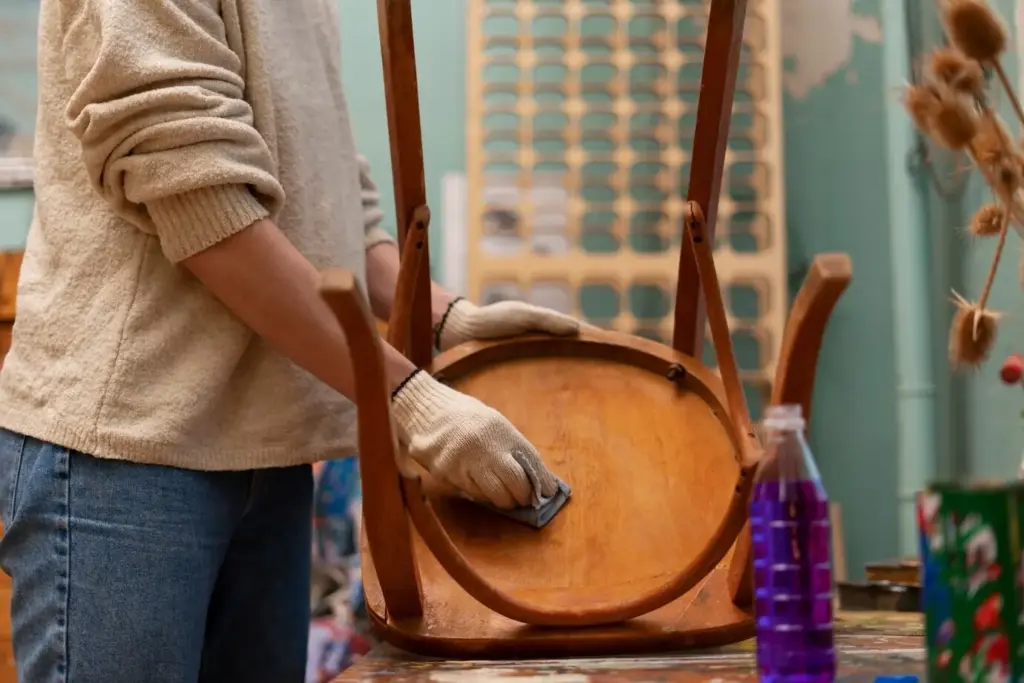
Tracing Makers Through Marks and Materials
Finding and Vetting Salvaged Pieces
Restoration With Respect
Cleaning Without Erasing Time
Repairs That Honor Original Joinery
Upholstery Refresh That Breathes
Designing for Character and Harmony

Designing for Disassembly and Future Repair
Use mechanical fasteners where appropriate, avoid permanent adhesives on primary joints, and label hidden surfaces with assembly notes. Reversible finishes, standardized screws, and documented dimensions help future caretakers. Treat your project as a link in a chain, ensuring that continued usefulness is simple, affordable, and satisfying rather than intimidating, expensive, or wastefully destructive.
Material Choices With Integrity
Favor reclaimed hardwoods, solid brass, and durable textiles that age gracefully. Avoid finishes that off-gas heavily or trap moisture. When buying new components, support transparent suppliers and local fabricators. Longevity comes from compatibility: materials that can be maintained, repaired, and recycled without exotic processes, protecting both your health and neighborhood ecosystems over decades.
Community Impact and Local Craft
Commission small shops for milling, turning, or upholstery, and share credit when showcasing results. These relationships create apprenticeships, preserve skills, and keep value close to home. Reuse projects energize main streets, inspire neighbors, and cultivate pride, proving sustainability can feel beautiful, practical, and economically vibrant across households and independent workshops alike.
Keeping Stories Alive at Home
Provenance Cards and Gentle Labels
Photographing Texture and Craft
Share, Connect, and Grow Together
All Rights Reserved.