
Urban Apartments, Living Stories of Nature
Today we explore Biophilic Narratives for Urban Apartments: Plants, Textures, and Sustainable Furnishings, weaving greenery, tactile materials, and conscious choices into compact city homes. Expect practical tactics, heartfelt anecdotes, and data-backed insights that make limited square meters feel generous, restorative, and alive. Share your apartment’s light patterns, plant victories, and sustainable finds in the comments so we can learn together and craft inviting, resilient interiors that support daily rituals and joyful routines.
Light, Air, and the Quiet Pulse of Indoors
Before adding pots, fabrics, or furniture, learn the subtle rhythms of your space. Track the sun’s path, open windows when the city hushes, and notice how surfaces echo light or swallow it. Biophilic design thrives on honest environmental cues: gentle airflow, views that change with weather, and light that follows a natural arc. These small observations shape plant placement, texture choices, and energy needs, ensuring every addition works with your apartment’s inherent cadence rather than fighting it.







Vertical Green Without Sacrificing Floorspace
Climb upward instead of outward. Use slim trellises, ceiling hooks, and wall-mounted planters with proper load anchors. Pair heartleaf philodendrons or hoyas with unobtrusive supports that disappear behind foliage. In darker corners, supplement with efficient LED grow bars on timers to mimic dawn and dusk. Keep a watering bottle at height, or install discreet self-watering reservoirs to avoid drips. The result is a leafy plane overhead that frames views, frees circulation, and turns blank walls into restorative panoramas.
Micro-Ecologies in Grouped Containers
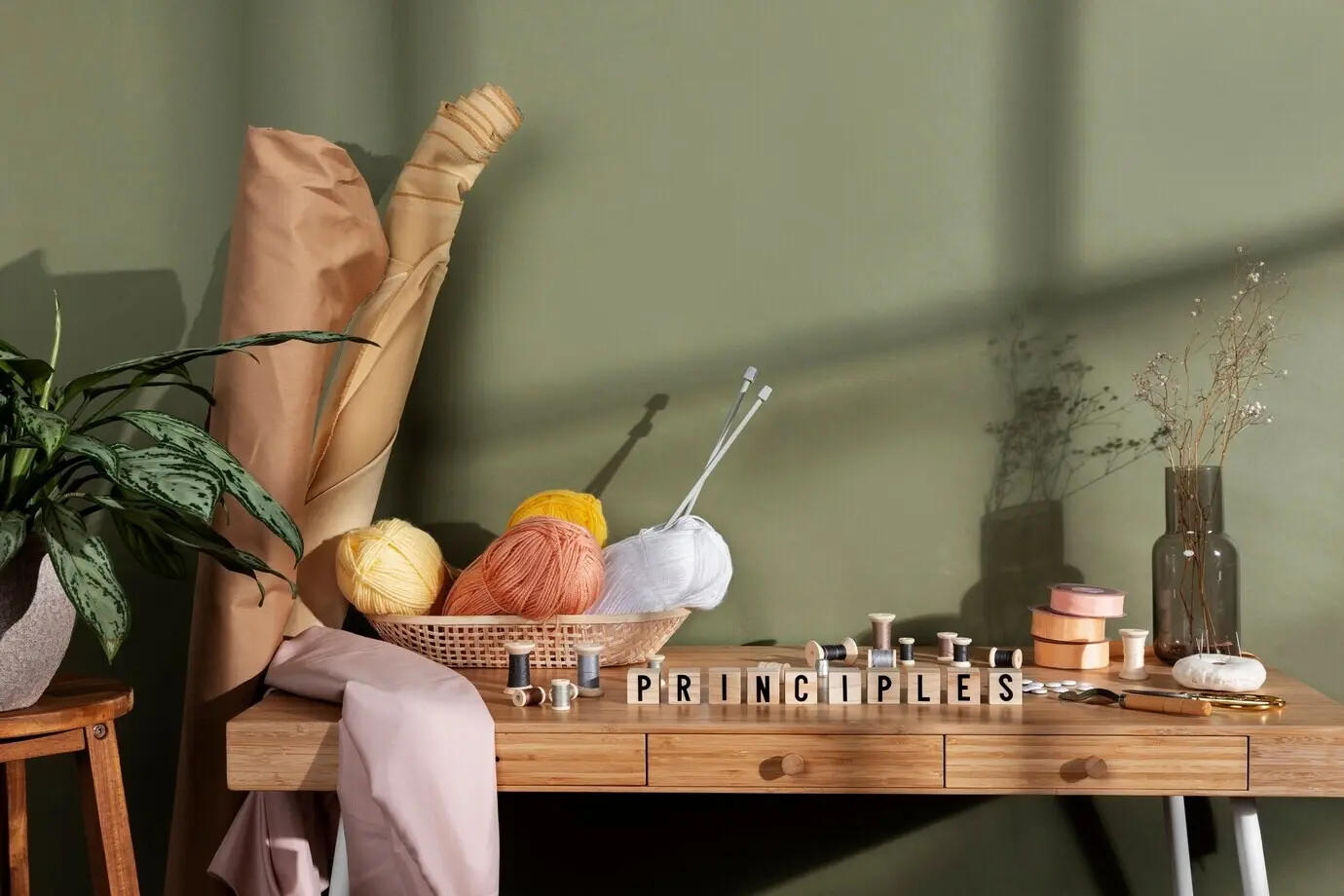
Create tiny habitats by clustering plants with compatible light and moisture preferences. Combine airy LECA or chunky bark for epiphytes, and mineral-rich mixes for succulents. Use shallow trays to catch runoff and pebbles for humidity without soggy roots. Place slow drinkers together to simplify schedules, and anchor groups with contrasting leaf shapes for visual rhythm. Over time, you will sense watering cues from the collective, learning by touch, weight, and color shifts rather than relying solely on calendars.

Care Rhythms That Survive Busy Weeks
Turn maintenance into small, repeatable beats. Assign watering to the same podcast episode, prune during weekend coffee, and dust leaves alongside window cleaning. Keep a propagation jar for trimmings you can gift or swap locally, building community as your collection multiplies. Track successes and failures in a simple note app: light levels, fertilizing dates, and seasonal adjustments. These gentle rituals reduce guilt, protect plants from neglect, and make growth visible, which is deeply motivating in compact, fast-paced city life.
Tactile Layers That Tell a Natural Story
Warmth of Wood Without Overdoing It
Favor certified solid wood or high-quality veneer with clear provenance, such as FSC or PEFC. Choose finishes that are low-VOC and repairable, like hardwax oils, so scratches become stories rather than flaws. Mix species sparingly to avoid visual noise, and let a single, well-grained tabletop guide the palette. Rounded profiles invite touch and reduce hard-edge echoes. Even a small stool in oak or ash can anchor a room, offering visual calm and tactile reassurance through busy urban seasons.

Mineral Calm: Clay, Lime, and Terracotta
Clay and lime finishes regulate moisture, mute glare, and soften sound. A single accent wall in limewash can transform a bright, reflective box into a gentle cocoon. Terracotta planters add breathability to roots and subtle color warmth. Patch imperfections rather than hiding them; irregularity reads human, not unfinished. When sealed appropriately, these materials clean easily and age gracefully. The resulting ambiance cues slower breathing, aligning the space with nature’s quiet cycles, even when traffic hums beyond the glass.
Textiles That Breathe and Hold Stories
Choose linens, undyed cottons, and wools that regulate temperature and welcome touch. Layer a heavier weave beneath a lighter one to temper seasons without storage overload. Prioritize removable, washable covers and menders’ kits over frequent replacements. Natural fibers frame plant textures beautifully, echoing leaves and bark without imitation. Allow slight color shifts and sun-kissed fading to tell time’s passage. Each thread becomes part of a personal landscape that gains depth with every conversation, spill, and late-night reading session.
Furnishings With Honest Origins
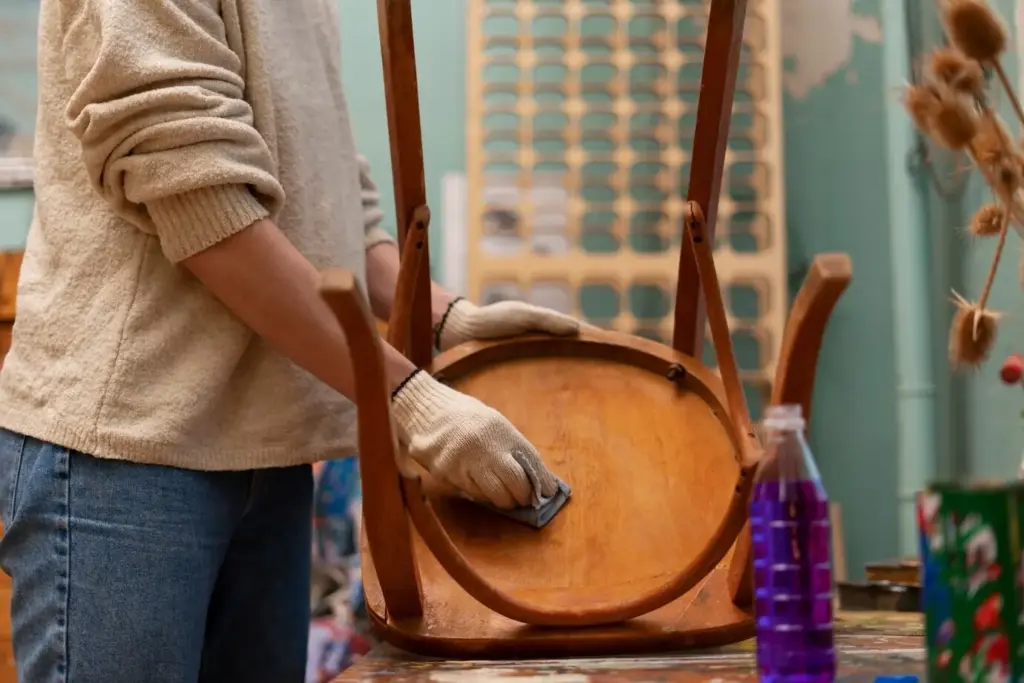
Sustainability lives in choices you can trace. Favor repairable designs, materials with clear certifications, and pieces that can move or adapt as your needs change. Seek Environmental Product Declarations, low-emission adhesives, and finishes that are kind to indoor air. Consider secondhand treasures with repair potential before buying new, and plan for end-of-life pathways—donation, modular disassembly, or return programs. In a compact apartment, every item has a voice; let each speak clearly about durability, responsibility, and long-term companionship.
Balcony Micro-Gardens That Survive Weather
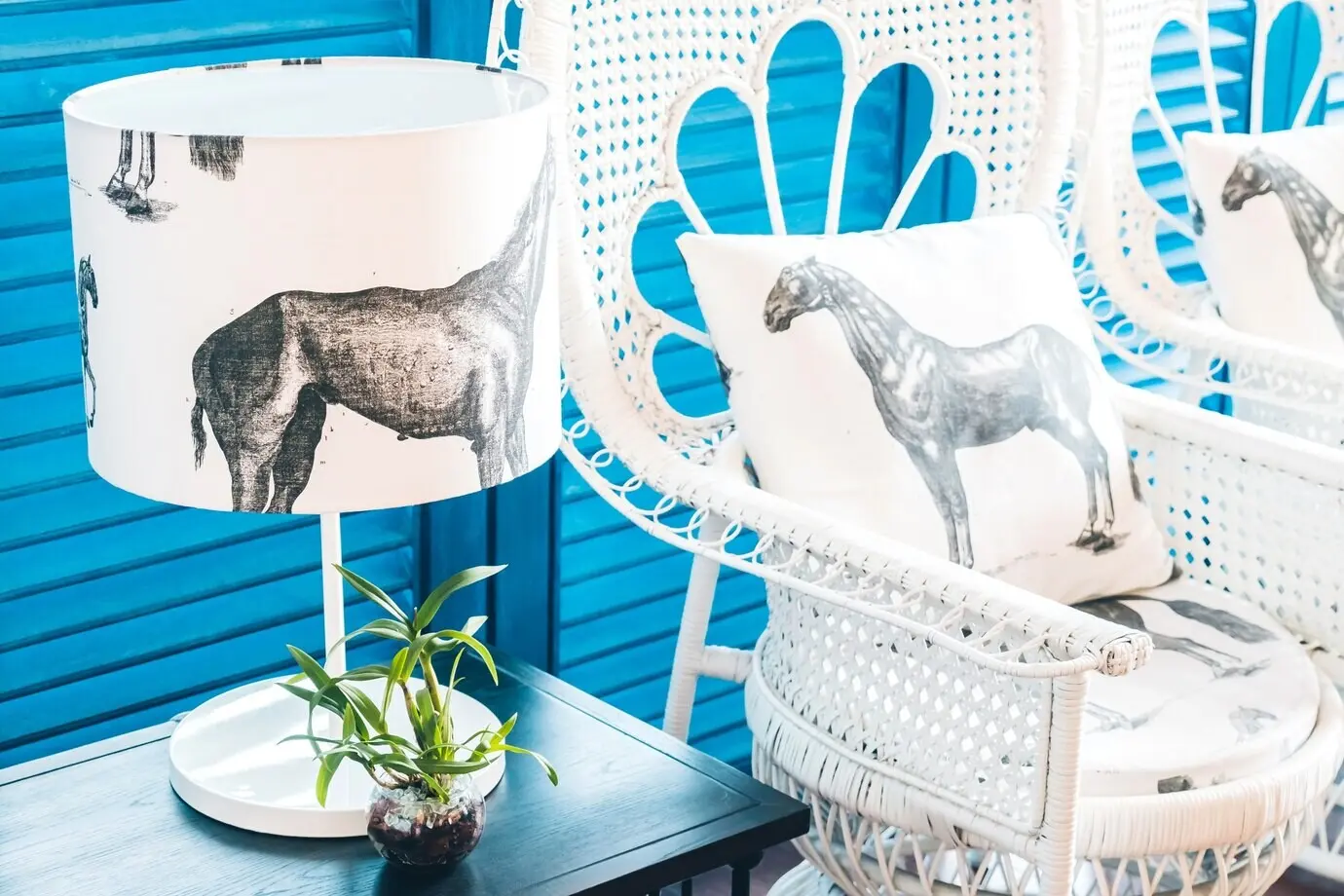
Choose hardy herbs and compact shrubs that tolerate wind: thyme, rosemary, or dwarf olives. Use terracotta for breathability and add drainage saucers with risers to protect floors. Install discreet windbreak mesh and weight planters for storms. A thin LED strip under the doorframe extends evening usability without glare. Rotate edibles seasonally and compost trimmings through a community hub if space is tight. Treat the balcony as a resilient micro-plot that changes rhythm with the city’s shifting climate.

Vertical Systems That Stay Tidy
Secure wall rails into studs and distribute weight across multiple points. Combine narrow shelves with trailing plants to frame art instead of hiding it. Group maintenance tools—mister, snips, soil scoop—in a hanging pouch to prevent clutter. If light is scarce, add slim grow bars with warm spectra and dimmers for softer ambiance. Leave negative space so foliage can breathe visually. The result is a living composition that remains practical, elegant, and aligned with your cleaning routines.
Daily Rituals That Root You in Place
Wellbeing grows from repeated, nourishing moments. Attention Restoration Theory suggests softly fascinating stimuli—like leaves moving, light shifting, or textures inviting touch—restore mental bandwidth. Craft simple routines around those cues: a morning check-in with new growth, an afternoon stretch near sunlit walls, an evening exhale beside warm wood. As habits accumulate, your apartment becomes a companion that listens and responds, balancing city intensity with grounded presence and creating an everyday sanctuary that never feels performative or fragile.
All Rights Reserved.