
Built to Last: Smarter Furniture Choices, Care, and Circular Futures

Today we explore designing for longevity in furniture—making informed selections, prioritizing genuine repairability, and planning respectful, circular end-of-life pathways. You will learn how materials, construction methods, maintenance routines, and community resources together determine whether a chair, sofa, or table remains useful for decades or quietly becomes waste. Expect practical checklists, honest tests you can do in a showroom, real stories from homes that chose to repair, and guidance for resale, donation, refurbishment, and recycling without greenwashing.

Choosing Materials That Endure

Hardwoods versus softwoods

Oak, maple, and beech often shrug off dings better than pine or spruce, not because softer woods are “bad,” but because hardness, grain structure, and density influence long-term stability and repair outcomes. Check the Janka scale, but also examine joinery, moisture content, and finish type. A well-built pine piece with reinforced joints can still outlast a poorly assembled hardwood one. Prioritize slow-grown stock, avoid questionable veneers, and ensure the finish can be refreshed without stripping everything to bare wood.

Metal frames and their coatings

Sturdy steel or carefully engineered aluminum frames give seating and tables consistent strength, yet coatings make or break durability. Powder coating resists abrasion and moisture better than thin paint films, while stainless fasteners minimize galvanic corrosion. Look closely at weld beads, gussets in stress points, and the thickness of tubing. Replaceable glides, standardized bolts, and accessible fastening points predict easier repairs. When possible, choose designs that allow you to unbolt subassemblies, treat rust, and recoat surfaces without dismantling the entire piece forever.

Upholstery fabrics and cushioning

Durable textiles advertise rub counts, but context matters: high Martindale or Wyzenbeek numbers should accompany tight weaves, strong seams, and accessible slipcovers. Natural fibers breathe and age gracefully, while technical blends can resist stains brilliantly when maintained correctly. Cushion cores should balance resilience with comfort; high-density foam, latex, or pocketed springs resist sagging better than budget fillers. Confirm that zippers, piping, and backing fabrics are serviceable, and that cushions can be rotated, refilled, or replaced without resorting to disposal.

Designing for Repair and Modularity

Fasteners and joinery that welcome repair

Bolts, threaded inserts, and classic joinery like mortise-and-tenon signal longevity because they allow tightening instead of tearing. Avoid designs dependent on hidden staples or brittle adhesives that resist disassembly. Knock-down fittings, cam locks with metal sleeves, and dowels backed by glue keep connections true yet serviceable. Over time, screws can be replaced or upsized; glue-only edges rarely offer second chances. Choose construction that respects future you, the one with an Allen key, patience, and a small box of thoughtfully labeled spares.

Access, documentation, and labeling

Bolts, threaded inserts, and classic joinery like mortise-and-tenon signal longevity because they allow tightening instead of tearing. Avoid designs dependent on hidden staples or brittle adhesives that resist disassembly. Knock-down fittings, cam locks with metal sleeves, and dowels backed by glue keep connections true yet serviceable. Over time, screws can be replaced or upsized; glue-only edges rarely offer second chances. Choose construction that respects future you, the one with an Allen key, patience, and a small box of thoughtfully labeled spares.

Sourcing spares and community repair

Bolts, threaded inserts, and classic joinery like mortise-and-tenon signal longevity because they allow tightening instead of tearing. Avoid designs dependent on hidden staples or brittle adhesives that resist disassembly. Knock-down fittings, cam locks with metal sleeves, and dowels backed by glue keep connections true yet serviceable. Over time, screws can be replaced or upsized; glue-only edges rarely offer second chances. Choose construction that respects future you, the one with an Allen key, patience, and a small box of thoughtfully labeled spares.

Finishes, touch-ups, and surface protection
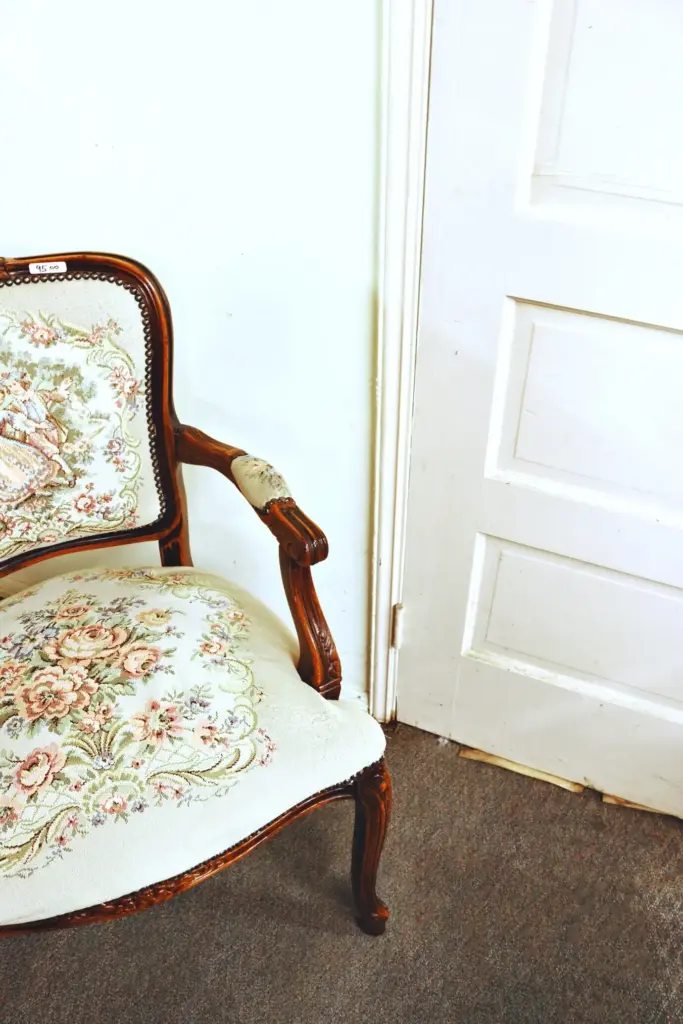
Understand your finish before you clean. Oil and wax can be spot-refreshed, while lacquer or polyurethane may demand different solvents and techniques. Keep a small kit: gentle soap, microfiber cloths, wax sticks, and color-matched markers for scuffs. Use trivets and coasters religiously, rotate accessories to avoid uneven fading, and slide, never drag, heavy objects. Work with the patina, not against it; thoughtful touch-ups preserve character while preventing moisture intrusion, lifted edges, and the discouragement that leads people to replace rather than renew.

Upholstery care and refresh cycles

Vacuum seams weekly to keep grit from cutting fibers, and flip or rotate cushions to even compression. Treat stains based on fabric codes—W, S, WS—so cleaning doesn’t deepen damage. Steam judiciously to relax wrinkles, then air thoroughly. Slipcovers extend life by absorbing daily wear; replace foam cores before collapsing springs suffer. If pets share the sofa, add washable throws and plan for de-pilling sessions. Small, regular interventions keep comfort inviting and postpone costly reupholstery while preserving the structure that truly matters.

Evaluating Durability Before You Buy

A calm, curious visit to the showroom reveals more than glossy photos ever could. Sit, shift, and listen for creaks. Wiggle arms, pull drawers, inspect corners, and peek beneath dust covers. Ask about frame woods, spring systems, and finish types. Confirm return policies, lead times for spares, and real warranty terms. Compare independent lab standards when available. Decisions feel different when you probe for evidence rather than promises, and your future self will thank you for insisting on proof before committing.

End-of-Life Strategies and Circular Choices

Planning for goodbye at purchase time sounds odd, yet it is essential to genuine responsibility. Prioritize designs that disassemble without destruction, materials that separate cleanly, and finishes compatible with recycling. Learn local donation standards, resale platforms, and take-back programs. Reupholstery, refinishing, and part harvesting often unlock second and third lives. When recycling is inevitable, metal frames and uncoated components fare better than mixed laminates and contaminated foams. Thoughtful exits respect resources, reduce guilt, and make room for future pieces chosen with even greater wisdom.
Look for fasteners you can reach with common tools, limited permanent adhesives, and clear material labeling. Keep a small disassembly kit and photograph steps so reassembly or recycling is easier. Separate wood, metal, textiles, and foam right away to maintain value. Avoid bonded layers you cannot peel apart, and beware of elaborate veneers that turn usable cores into waste. When parts detach gracefully, refurbishment becomes satisfying rather than daunting, and recycling streams accept components without contamination or frustrated sorting.
Before calling a landfill, try community buy-nothing groups, consignment shops, reputable charities, and specialized vintage markets. Document dimensions, condition, and repair history to earn trust and better outcomes. A modest refinish or fresh slipcover can transform interest and value. Universities need durable study furniture; theaters often welcome unique props. If selling, include clear photos of joints and undersides. Every successful handoff keeps materials moving, stories alive, and budgets calmer while demonstrating that quality design travels gracefully between households.

From Homes That Chose to Repair

Grandmother’s oak table, refreshed

After a chaotic move, the table looked tired and pitted. Rather than replace it, the family masked edges, eased scratches with a card scraper, then revived the grain with a plant-based hardwax oil. Coasters joined the routine; felt pads silenced chairs; a small jar of matching pigment now lives in the cutlery drawer. The table did not become new—it became resilient, carrying laughter, flour dust, and candlelight with a confidence only patient care can teach.

A sofa with two lives and counting

The frame was rock-solid, but the cushions had surrendered. A local upholsterer rebuilt seat decks with elastic webbing and denser foam, then added zippered covers in a durable recycled textile. The owners documented everything, kept spare fabric, and learned to rotate inserts monthly. What felt like a stopgap became a revelation: comfort returned, style updated, and embodied carbon stayed put. They plan another refresh in a decade, budgeting time and materials like routine car maintenance.

A curbside chair restored to grace

Found with one loose rung and sun-bleached lacquer, the chair invited curiosity. New dowels replaced swollen ones, hide glue bonded joints, and a gentle shellac refresh restored warmth without erasing age. A neighbor lent clamps; a repair cafe cheered the final sanding. Today the chair sits by a window, sturdy and humble, a quiet reminder that abandonment is sometimes just a missed opportunity for a careful hand and a free Saturday afternoon.

Zefukefelatuzafa
Privacy Overview

This website uses cookies so that we can provide you with the best user experience possible. Cookie information is stored in your browser and performs functions such as recognising you when you return to our website and helping our team to understand which sections of the website you find most interesting and useful.